

How Channel Companies Can Use Data Analytics to Drive Better Decisions
How channel companies can use data analytics to drive better business decisions
Channel companies need to first understand the full range of data they hold and then identify how it can be used to create value. Data typically serves two key purposes: driving greater efficiency by saving time and reducing costs, while also identifying opportunities for growth, sales and future business direction.
The key is to look beyond traditional internal systems and consider all available data sources. Insights from customer conversations, for example, can be just as valuable as data exported from business systems. By bringing these sources together and applying analytics, channel companies can uncover deeper insights, improve operational efficiency, identify new opportunities, and make more informed decisions about where to focus next.
Overcoming the biggest barriers to data-driven decision-making
One of the biggest barriers to using data effectively is the human factor. People can be resistant to change, particularly when they are accustomed to existing processes or ways of working. If data-driven insights challenge long-held assumptions or highlight areas for improvement, there can be reluctance to embrace them.
For channel providers, this can create a significant challenge. Even when a solution offers clear value, resistance to adopting new systems can delay implementation or prevent it altogether, ultimately resulting in missed opportunities for both the provider and the customer.
How data and AI help partners make better decisions
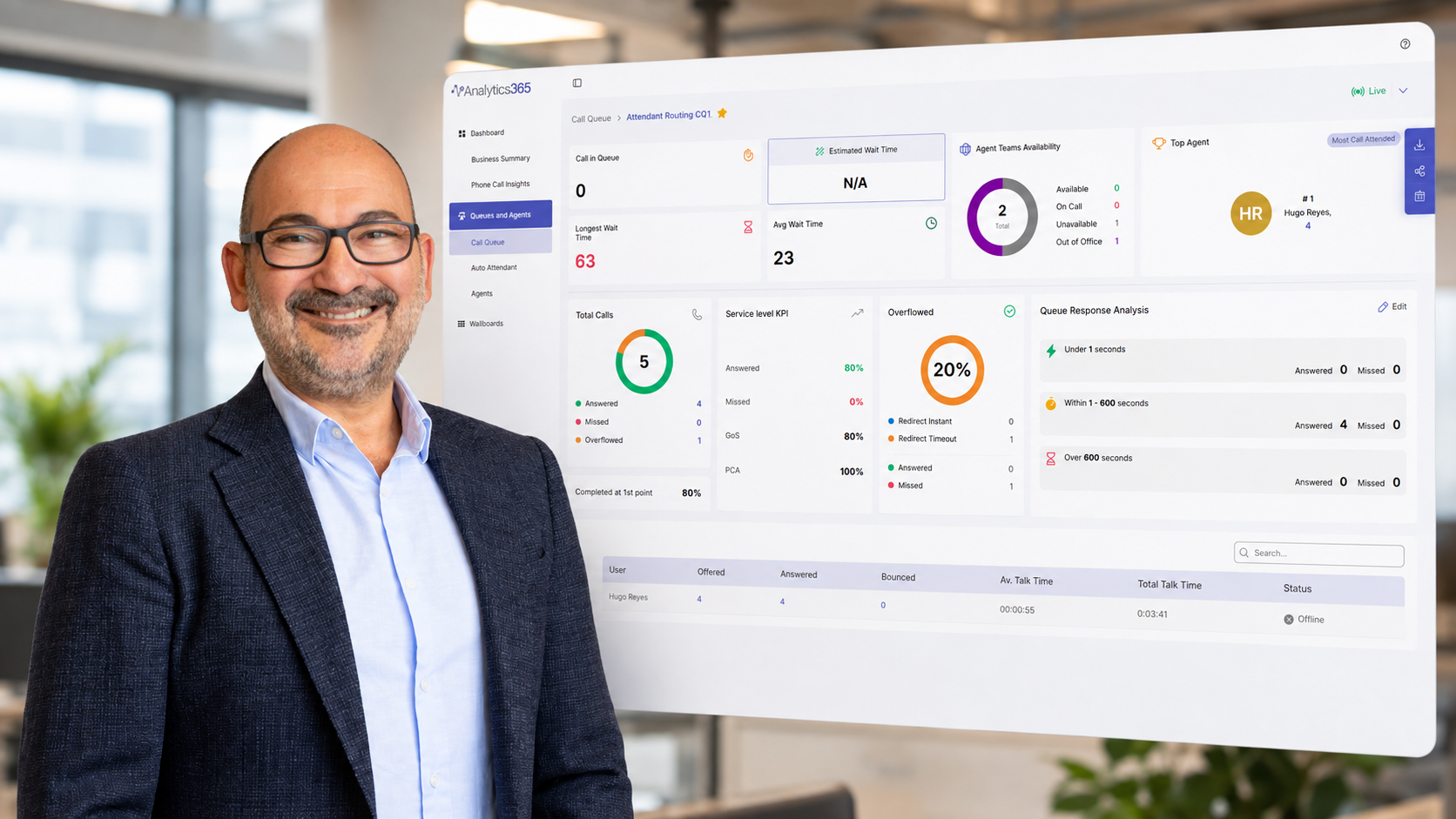
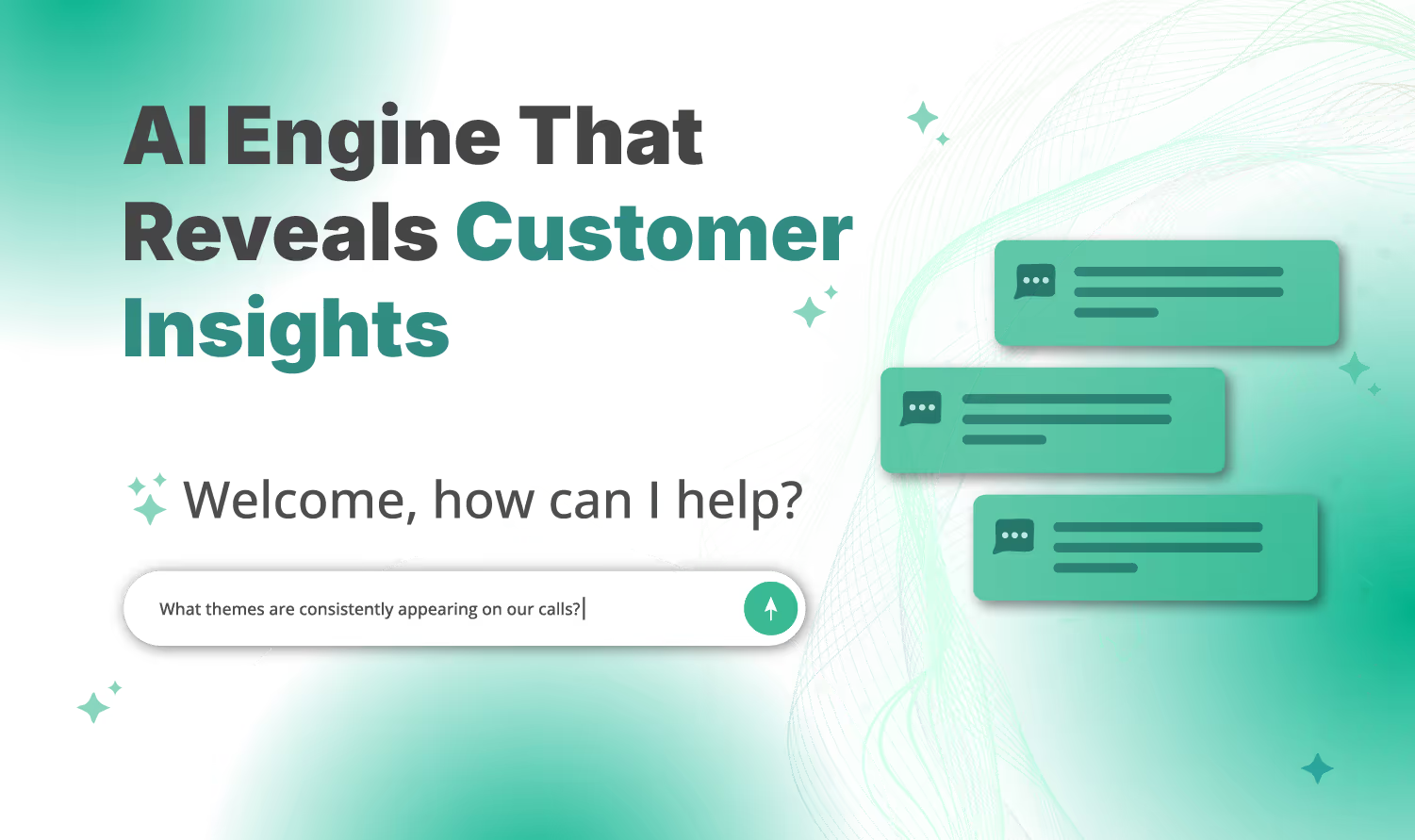
As an analytics company, we use data and AI across our own business to demonstrate how it can inform better decision-making and deliver measurable outcomes. We apply our own AI-driven analytics to customer communications to uncover actionable insights, while also using data from our internal systems to improve efficiency across our support operations.
All of our live systems are proactively monitored, allowing us to identify potential issues early, often before the customer is even aware, and we resolve them before they become problematic. This enables us to take a proactive approach to partner support, rather than simply reacting when issues arise.
We use the Zoho suite of tools to help us prioritise customer service across the business. It provides visibility across the customer journey, combining reporting, customer feedback and cross-functional dashboards to track performance, identify trends and continuously improve delivery. It also enables partners to engage with us through their preferred channels, while data and AI help us deliver a faster, more personalised and consistent experience.
The results are measurable. We have achieved faster resolutions, higher customer satisfaction, lower operational costs, fewer escalations and stronger customer retention. The insights generated through our data-driven approach have also contributed to business growth through increased referrals.
Overall, we have transformed customer support from a reactive function into a proactive, insight-led capability, enabling us to deliver a more efficient service while strengthening trust and long-term relationships with our partners and customers.
The Future of Data Analytics in the Channel
Over the next 12-18 months, channel companies will increasingly use data to deliver more sophisticated, value-added services that differentiate them in an increasingly competitive market.
Customer experience will remain a key battleground, with providers using data to better understand customer needs, personalise engagement and strengthen retention. There will also be growing opportunities to unlock the wealth of data available within Microsoft Teams and increasingly mature UCaaS platforms, enabling deeper insights and more intelligent services for customers.
At the same time, channel companies will continue investing in data-driven capabilities across automation, billing, enablement and the overall partner experience.
Ultimately, the organisations that successfully combine data, AI and automation into a seamless, end-to-end customer experience will be best positioned to create value, improve efficiency and stand out from the competition.